
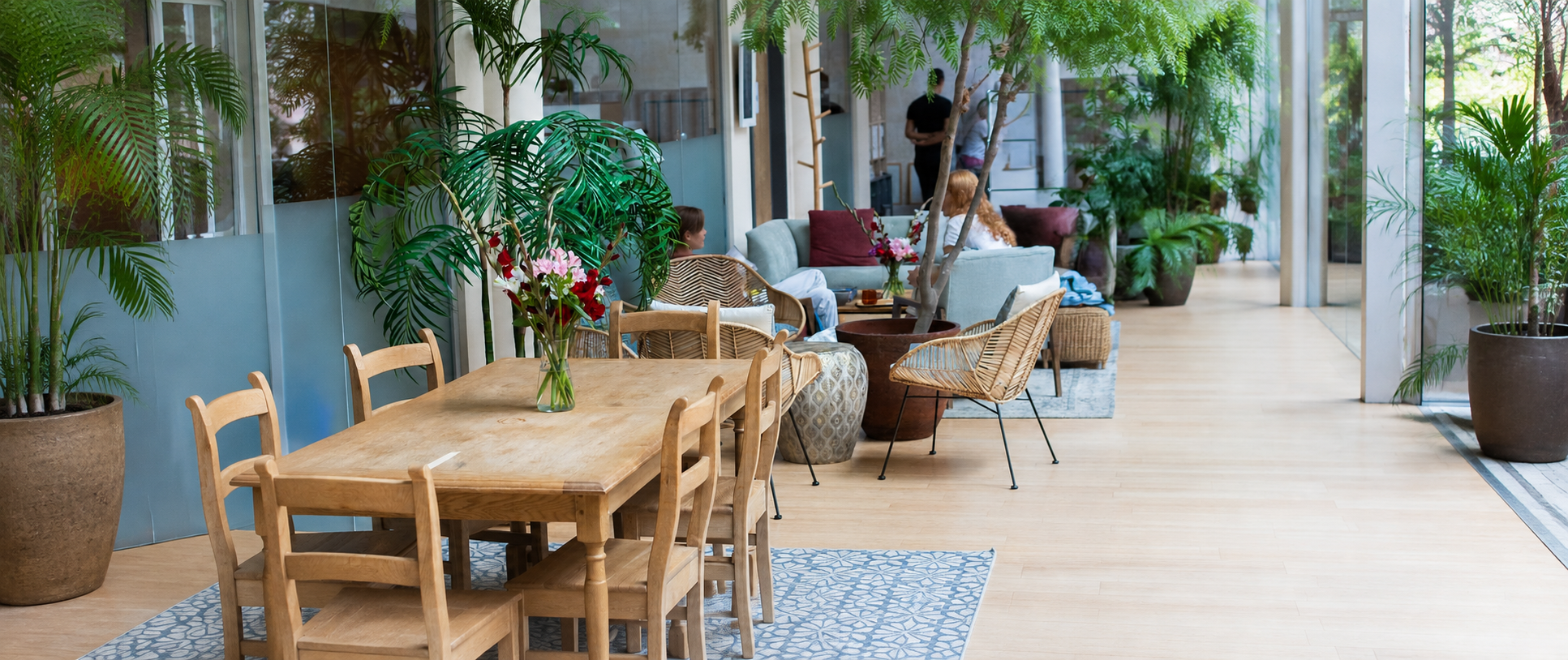

People no longer want to simply look at outdoor spaces; they want to spend a significant part of their day in them. This shift is also giving landscape design a new direction.
In next-generation residential developments, hotels, and social facilities, gardens are increasingly being planned as natural extensions of the home. Outdoor kitchens, barbecue areas, comfortable seating arrangements, fire pits, pergolas, and multifunctional relaxation areas are transforming outdoor spaces into living environments that can be enjoyed throughout the year.
Especially in the post-pandemic period, the desire to spend more time in nature has significantly increased interest in outdoor living spaces. Families are looking for gardens where they can spend quality time together, while hotels are focusing on providing guests with comfortable outdoor areas where they can spend more time in the open air. Restaurants, cafés, and social facilities are also making their outdoor spaces more functional, enriching the overall visitor experience.
Successful examples of this approach can be found around the world. In many residential developments across California, outdoor kitchens and fireplace areas have become standard features, while in Mediterranean countries, shaded terraces and social gardens are actively used throughout much of the year. In Northern Europe, meanwhile, fire pits and relaxation areas designed with natural materials allow outdoor spaces to remain part of everyday life even in cooler weather.
According to experts, livability will be just as important as aesthetics in the landscape projects of the future. Gardens where people gather, relax, work, exercise, and socialize are increasingly being viewed not only as elements of landscape design, but also as an important indicator of quality of life.
In short, gardens are no longer simply empty spaces outside the home. They are becoming special environments where life continues, memories are created, and people can reconnect with nature.