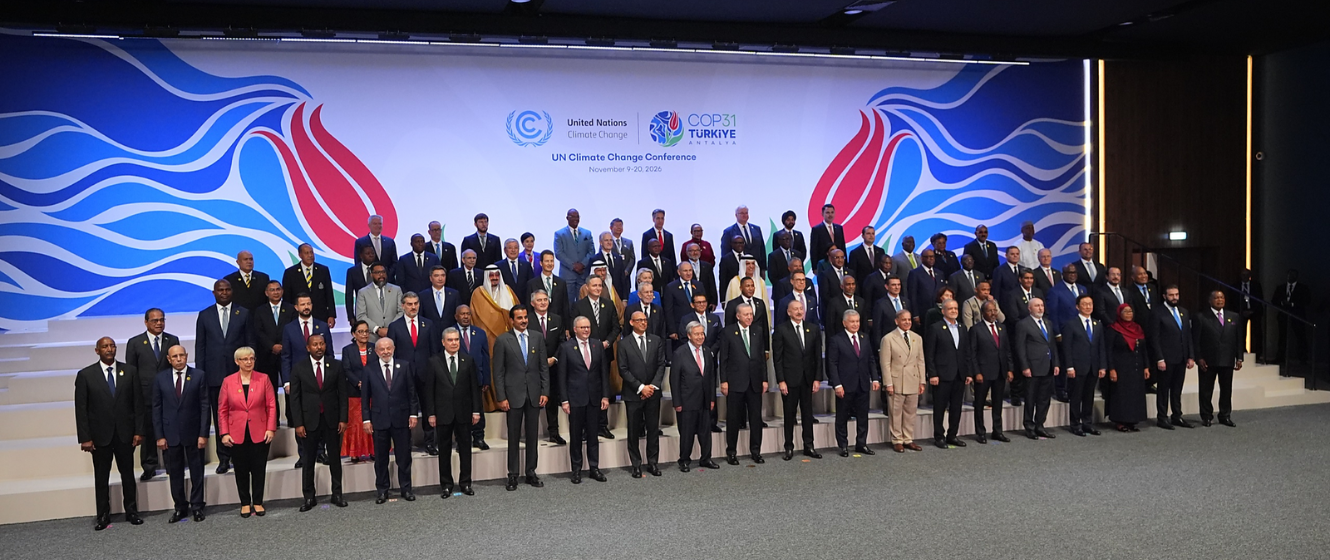

Climate change is no longer a subject discussed only by scientists or addressed through environmental policies. Rising temperatures, water scarcity, drought and increasingly challenging weather conditions are becoming part of everyday life. These issues are now at the centre of COP31, which has brought representatives from around the world together in Antalya.
The 31st Conference of the Parties to the United Nations Framework Convention on Climate Change (COP31) began on 9 November and will continue until 20 November. Hosted by Türkiye, the summit brings countries together to discuss climate action, review existing commitments and explore opportunities for international cooperation.
Beyond Climate Policy: The Future of Urban Living
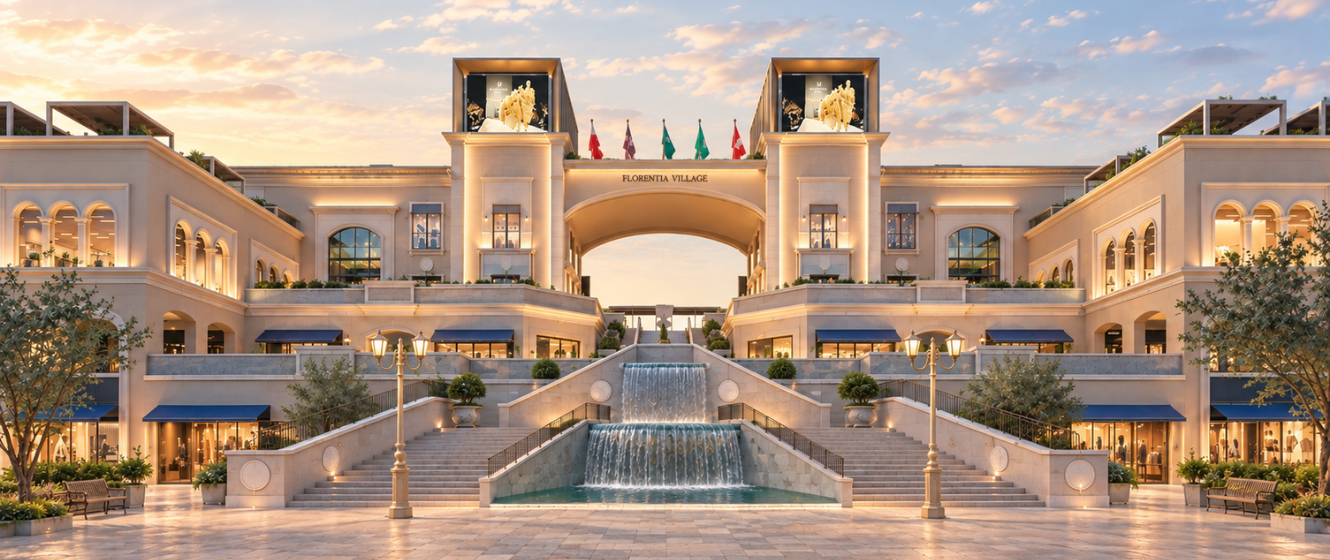
One of the key topics at COP31 is how cities can adapt to changing climate conditions. The effects of climate change are often felt most directly in urban environments. Rising temperatures, urban density, shrinking green spaces and water management are becoming increasingly important challenges for cities.
This is also changing the way urban spaces are planned and designed. Parks, gardens, walking paths, recreational areas and public spaces are no longer considered simply places for social activities. They also play an important role in creating healthier cities that are better prepared for changing climate conditions.
The Climate Resilient Cities initiative, included in the COP31 Action Agenda, highlights this growing need. Building cities that can respond to climate challenges requires cooperation between local authorities, designers, technology companies and a wide range of industries.
New Approaches to Sustainable Cities
COP31’s agenda extends well beyond urban development. Clean energy, green industrialisation, zero waste, nature conservation, oceans and the role of young people in climate action are also among the topics being addressed.
Energy-efficient buildings, environmentally responsible technologies and more efficient use of resources are becoming increasingly important in the transformation of cities. These developments are closely connected to many sectors, including architecture, urban design, landscaping, sports and recreation, and outdoor living.
Today, designing a new park or public space involves much more than aesthetics and functionality. Water consumption, energy requirements, materials and the relationship with the surrounding environment are also part of the planning process. Sustainability is increasingly becoming a consideration from the very beginning of urban projects.
From Antalya to the World
COP31 activities are taking place across two main areas: the Blue Zone and the Green Zone. The Blue Zone hosts official climate negotiations between countries, while the Green Zone provides a platform for the private sector, local authorities, civil society organisations and other stakeholders to present their projects, ideas and solutions.
This makes the summit more than a meeting focused on international climate commitments. It also creates opportunities to share practical solutions, showcase new approaches and develop partnerships across different industries.
As COP31 continues in Antalya until 20 November, its outcomes will be closely followed in the coming period, particularly in areas ranging from urban development to environmental policy. Because tackling climate change is not simply about setting targets for the future. It is also about the cities we shape today, the public spaces we share and the living environments we leave for future generations.