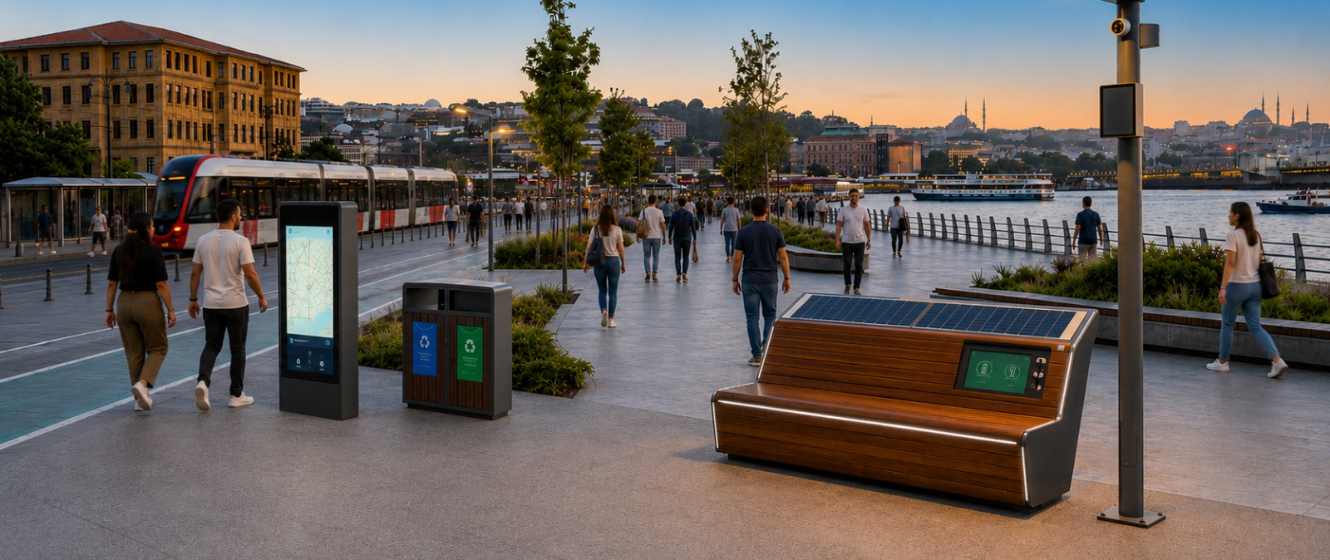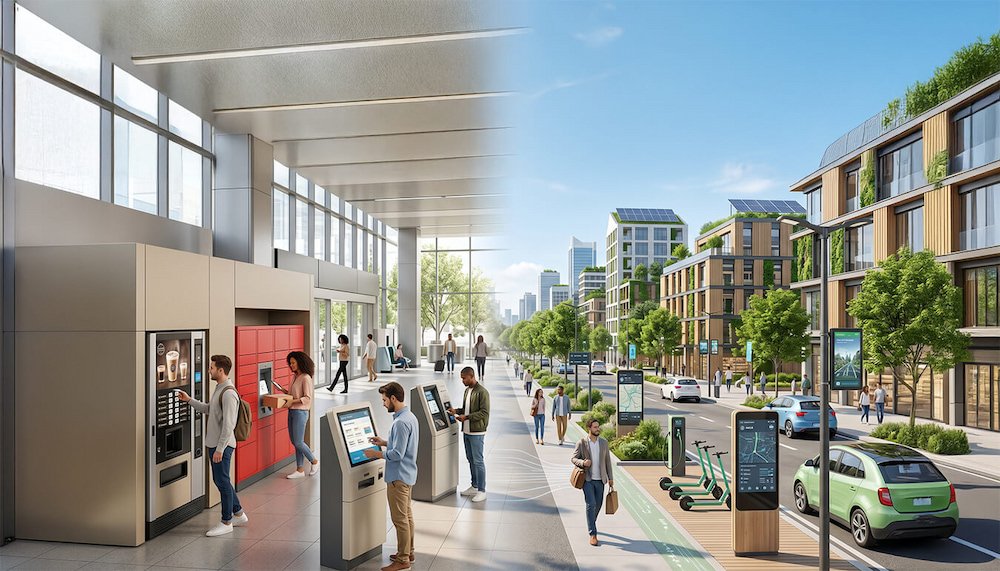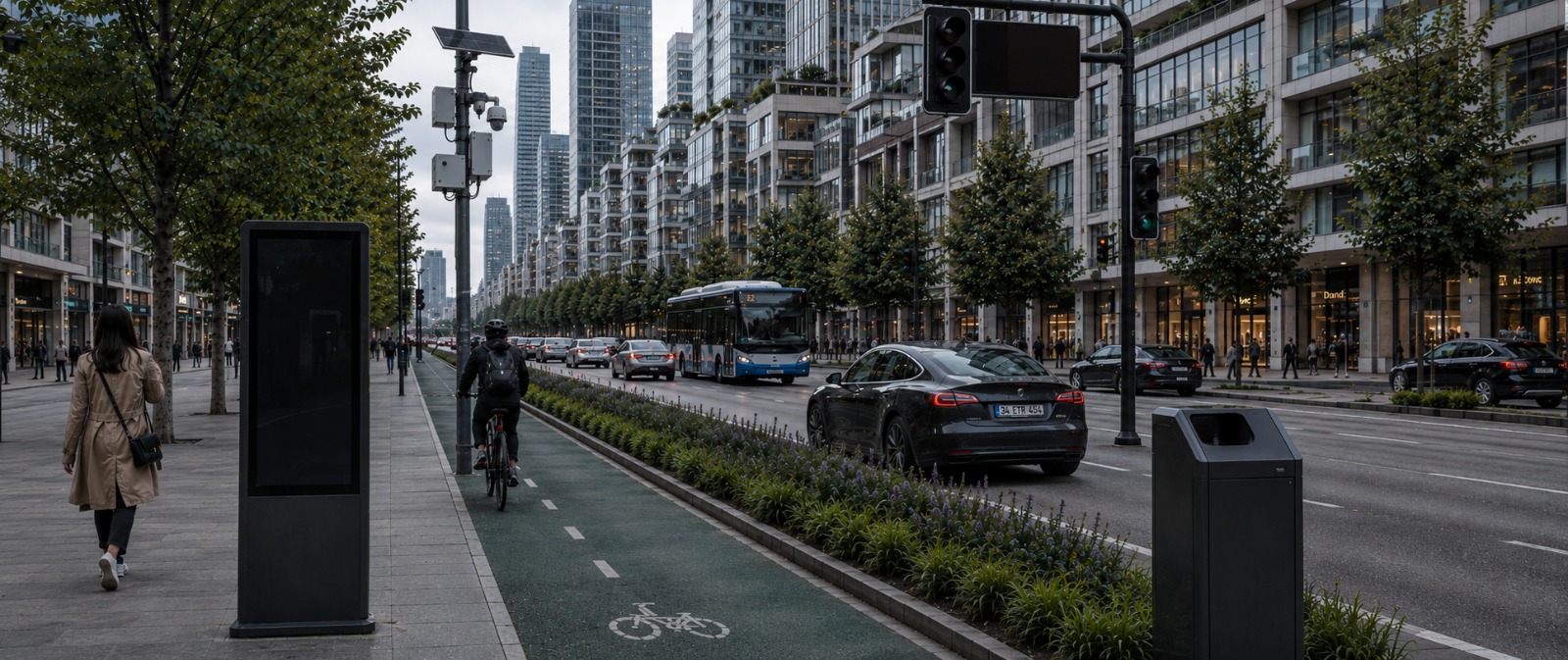
The rapid urbanization of the global population is placing increasing pressure on traditional urban infrastructure. Today, modern metropolises face major challenges, including traffic congestion, energy crises, environmental pollution, and resource scarcity. This is where Smart City Solutions, powered by advanced technologies, come into play.
Smart cities are no longer simply a futuristic vision; they are becoming a key pathway toward a more sustainable, secure, and economically efficient future. In this comprehensive guide, we explore what smart city technologies are, their key components, and how they are set to shape the cities of tomorrow.
What Is a Smart City?
A smart city is a dynamic urban ecosystem that uses modern technologies such as the Internet of Things (IoT), Artificial Intelligence (AI), Big Data, and data analytics to improve the efficiency of urban services, reduce resource consumption, and enhance citizens’ quality of life.
For a city to truly be considered “smart,” it is not enough to simply equip it with connected devices and technologies. The data generated by these systems must be transformed into meaningful insights that enable real-time decision-making and more effective urban management.
Key Components of Smart City Solutions
A modern smart city consists of multiple interconnected solution areas. Working together, these technologies create a holistic transformation that touches virtually every aspect of urban life.
1. Smart Transportation and Mobility Systems
Traffic congestion, one of the biggest challenges of urban life, is being addressed through increasingly sophisticated smart mobility solutions.
-
Smart Traffic Management: Cameras and sensors at intersections can analyze traffic density in real time, while AI-based systems dynamically adjust traffic-light timings according to current conditions.
-
Public Transportation Optimization: Occupancy levels and estimated arrival times for buses, metro systems, and trams can be communicated to passengers in real time.
-
Smart Parking Systems: Drivers can use mobile applications to identify available parking spaces and receive directions to them, reducing the time, fuel, and emissions associated with searching for parking.
2. Smart Energy Management and Smart Grids
Efficient energy use is essential for building a sustainable future. Smart grids help balance energy supply and demand while improving the overall efficiency of urban energy systems.
-
Renewable Energy Integration: Clean energy sources such as solar and wind power can be integrated into urban grids in a more efficient and optimized way.
-
Smart Lighting: Street lighting systems can automatically adjust their brightness based on ambient light levels and pedestrian or vehicle activity, helping reduce energy consumption.
3. Smart Environmental and Waste Management
Protecting natural resources and preventing pollution are among the key priorities of smart cities.
-
Smart Waste Collection: Fill-level sensors installed in waste containers allow collection vehicles to prioritize containers that require servicing. This can significantly reduce unnecessary trips, fuel consumption, and carbon emissions.
-
Air and Water Quality Monitoring: Sensors positioned throughout the city can continuously monitor air pollution, noise levels, and water quality, helping authorities identify potential risks at an early stage.
4. Smart Security and Public Administration
Advanced analytical systems are also transforming public safety and emergency management.
-
AI-Powered Security: Intelligent camera systems can identify accidents, unusual activity, or potential security incidents and alert the relevant authorities.
-
Disaster Management: During natural disasters such as earthquakes and floods, early-warning systems and intelligent evacuation plans can help authorities respond more quickly and effectively.
The Benefits of Smart Cities: Why Do We Need to Transform?
Investment in smart city projects can deliver significant short- and long-term benefits for both local governments and communities.
Key Benefits of Smart Cities:
-
Sustainability: Reduced carbon emissions and more efficient use of energy and water.
-
Economic Efficiency: Lower operational costs and optimized use of resources.
-
Time Savings: Less time lost in traffic and administrative processes.
-
Quality of Life: Cleaner, safer, more accessible, and more livable urban environments.
The Technology Powering Smart Cities: IoT and 5G
The Internet of Things (IoT) forms the backbone of smart city infrastructure. Millions of sensors, meters, cameras, and connected devices continuously collect data. However, transporting and processing this enormous volume of Big Data with minimal delay requires a powerful communications infrastructure.
This is where 5G technology comes into play. With high speeds and low latency, 5G can enable autonomous vehicles, smart emergency response systems, and critical infrastructure to communicate with one another in near real time.
Conclusion: The Cities of the Future Are Being Built Today
Smart city solutions are becoming more than a luxury technology trend; they are an increasingly important response to global climate challenges, rapid urbanization, and growing pressure on urban infrastructure. Through data-driven management models, the cities of tomorrow can become greener, safer, more efficient, and more people-centered.
For organizations looking to take an active role in urban transformation, improve efficiency across modern infrastructure projects, and contribute to a more sustainable future, integrating smart city technologies into projects and operational processes is becoming increasingly essential.
The future belongs to cities that know how to manage data effectively.